
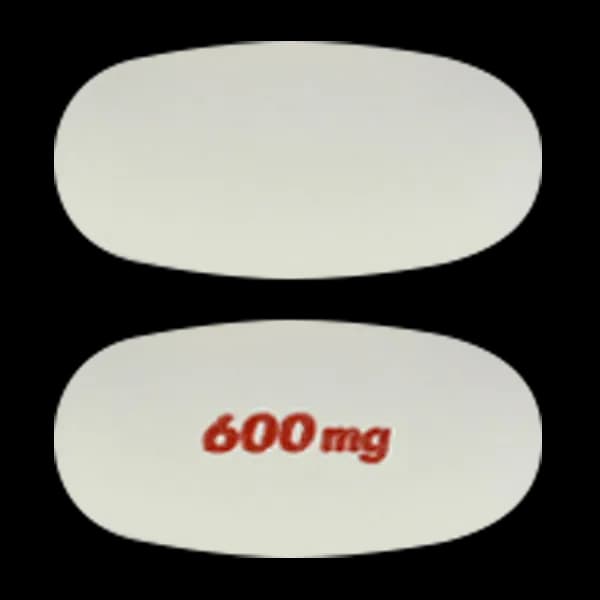
Pfizer Zyvox
Active ingredient: Linezolid
$67.50
In stock (100 available)
A prescription is required
You can add this to your basket, but we cannot dispense it until you upload a valid prescription at checkout and our registered pharmacist approves it. Your card is authorized but not charged until then.
About this medicine
What it is used for
1 INDICATIONS AND USAGE Linezolid for Oral Suspension is an oxazolidinone-class antibacterial indicated in adults and children for the treatment of the following infections caused by susceptible Gram-positive bacteria: Nosocomial pneumonia ( 1.1 ); Community-acquired pneumonia ( 1. 2); Complicated skin and skin structure infections, including diabetic foot infections, without concomitant osteomyelitis ( 1. 3); Uncomplicated skin and skin structure infections ( 1. 4); Vancomycin-resistant Enterococcus faecium infections. ( 1. 5) Limitations of Use ( 1.6 ): • Linezolid is not indicated for the treatment of Gram-negative infections. • The safety and efficacy of linezolid formulations given for longer than 28 days have not been evaluated in controlled clinical trials. To reduce the development of drug-resistant bacteria and maintain the effectiveness of linezolid formulations and other antibacterial drugs, linezolid should be used only to treat or prevent infections that are proven or strongly suspected to be caused by bacteria. ( 1.7 ) 1.1 Nosocomial Pneumonia Linezolid is indicated for the treatment of nosocomial pneumonia caused by Staphylococcus aureus (methicillin-susceptible and
How it is taken
2 DOSAGE AND ADMINISTRATION Dosage, Route, and Frequency of Administration Infection Pediatric Patients (Birth through 11 Years of Age) Adults and Adolescents (12 Years and Older) Duration (Days) Nosocomial pneumonia Community-acquired pneumonia, including concurrent bacteremia 10 mg/kg intravenous or oral every 8 hours 600 mg intravenous or oral every 12 hours 10 to 14 Complicated skin and skin structure infections Vancomycin-resistant Enterococcus faecium infections, including concurrent bacteremia 10 mg/kg intravenous or oral every 8 hours 600 mg intravenous or oral every 12 hours 14 to 28 Uncomplicated skin and skin structure infections less than 5 yrs: 10 mg/kg oral every 8 hours 5 to 11 yrs: 10 mg/kg oral every 12 hours Adults: 400 mg oral every 12 hours Adolescents: 600 mg oral every 12 hours 10 to 14 2.1 General Dosage and Administration The recommended dosage for linezolid formulations for the treatment of infections is described in Table 1. Table 1. Dosage Guidelines for Linezolid Infection Due to the designated pathogens [see Indications and Usage ( 1 )]. Dosage, Route, and Frequency of Administration Recommended Duration of Treatment (Consecutive Days) Pediatric Patient
Warnings
5 WARNINGS AND PRECAUTIONS • Myelosuppression: Monitor complete blood counts weekly. Thrombocytopenia has been reported more often in patients with severe renal and in patients with moderate to severe hepatic impairment. Consider discontinuation in patients who develop or have worsening myelosuppression. ( 5.1 ) • Peripheral and Optic Neuropathy: Reported primarily in patients treated for longer than 28 days. If patients experience symptoms of visual impairment, prompt ophthalmic evaluation is recommended. ( 5.2 ) • Serotonin Syndrome: Monitor patients taking Linezolid concomitantly with serotonergic agents for signs of serotonin syndrome. If signs or symptoms of serotonin syndrome occur, consider discontinuing Linezolid and/or concomitant serotonergic agents. ( 5.3 ) • A mortality imbalance was seen in an investigational study in linezolid‑treated patients with catheter-related bloodstream infections. ( 5.4 ) • Clostridioides difficile- Associated Diarrhea: Evaluate if diarrhea occurs. ( 5.5 ) • Potential interactions producing elevation of blood pressure: monitor blood pressure. ( 5.6 ) • Rhabdomyolysis: If signs or symptoms of rhabdomyolysis are observed, discontinue linezolid a
Source: openFDA / DailyMed. Provided for information only — always follow the directions given by your own prescriber.