
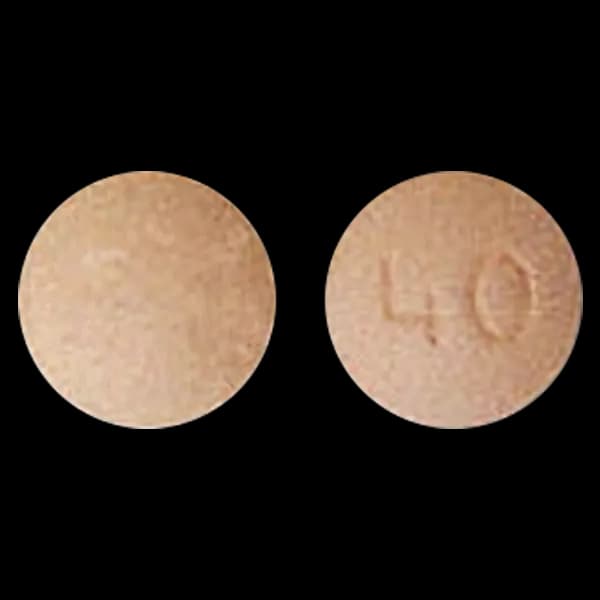
Showing the 40mg medicine. Other strengths look different — the picture changes with the strength you select.
Pfizer Calan
Active ingredient: Verapamil
$20.70
In stock (100 available)
A prescription is required
You can add this to your basket, but we cannot dispense it until you upload a valid prescription at checkout and our registered pharmacist approves it. Your card is authorized but not charged until then.
About this medicine
What it is used for
INDICATIONS AND USAGE Verapamil Hydrochloride Tablets are indicated for the treatment of the following: Angina 1. Angina at rest including: – Vasospastic (Prinzmetal’s variant) angina – Unstable (crescendo, pre-infarction) angina 2. Chronic stable angina (classic effort-associated angina) Arrhythmias 1. In association with digitalis for the control of ventricular rate at rest and during stress in patients with chronic atrial flutter and/or atrial fibrillation (see WARNINGS; Accessory bypass tract ) 2. Prophylaxis of repetitive paroxysmal supraventricular tachycardia Essential hypertension: Verapamil is indicated for the treatment of hypertension, to lower blood pressure. Lowering blood pressure reduces the risk of fatal and nonfatal cardiovascular events, primarily strokes and myocardial infarctions. These benefits have been seen in controlled trials of antihypertensive drugs from a wide variety of pharmacologic classes, including this drug. Control of high blood pressure should be part of comprehensive cardiovascular risk management, including, as appropriate, lipid control, diabetes management, antithrombotic therapy, smoking cessation, exercise, and limited sodium intake. Many p
How it is taken
DOSAGE AND ADMINISTRATION The dose of verapamil must be individualized by titration. The usefulness and safety of dosages exceeding 480 mg/day have not been established; therefore, this daily dosage should not be exceeded. Since the half-life of verapamil increases during chronic dosing, maximum response may be delayed. Angina: Clinical trials show that the usual dose is 80 mg to 120 mg three times a day. However, 40 mg three times a day may be warranted in patients who may have an increased response to verapamil (e.g., decreased hepatic function, elderly, etc.). Upward titration should be based on therapeutic efficacy and safety evaluated approximately eight hours after dosing. Dosage may be increased at daily (e.g., patients with unstable angina) or weekly intervals until optimum clinical response is obtained. Arrhythmias: The dosage in digitalized patients with chronic atrial fibrillation (see PRECAUTIONS ) ranges from 240 to 320 mg/day in divided (three times a day or four times a day) doses. The dosage for prophylaxis of PSVT (non-digitalized patients) ranges from 240 to 480 mg/day in divided (three times a day or four times a day) doses. In general, maximum effects for any gi
Warnings
WARNINGS Heart failure: Verapamil has a negative inotropic effect, which in most patients is compensated by its afterload reduction (decreased systemic vascular resistance) properties without a net impairment of ventricular performance. In clinical experience with 4,954 patients, 87 (1.8%) developed congestive heart failure or pulmonary edema. Verapamil should be avoided in patients with severe left ventricular dysfunction (e.g., ejection fraction less than 30%) or moderate to severe symptoms of cardiac failure and in patients with any degree of ventricular dysfunction if they are receiving a beta-adrenergic blocker (see PRECAUTIONS, Drug Interactions ). Patients with milder ventricular dysfunction should, if possible, be controlled with optimum doses of digitalis and/or diuretics before verapamil treatment. ( Note interactions with digoxin under PRECAUTIONS .) Hypotension: Occasionally, the pharmacologic action of verapamil may produce a decrease in blood pressure below normal levels, which may result in dizziness or symptomatic hypotension. The incidence of hypotension observed in 4,954 patients enrolled in clinical trials was 2.5%. In hypertensive patients, decreases in blood pr
Source: openFDA / DailyMed. Provided for information only — always follow the directions given by your own prescriber.