
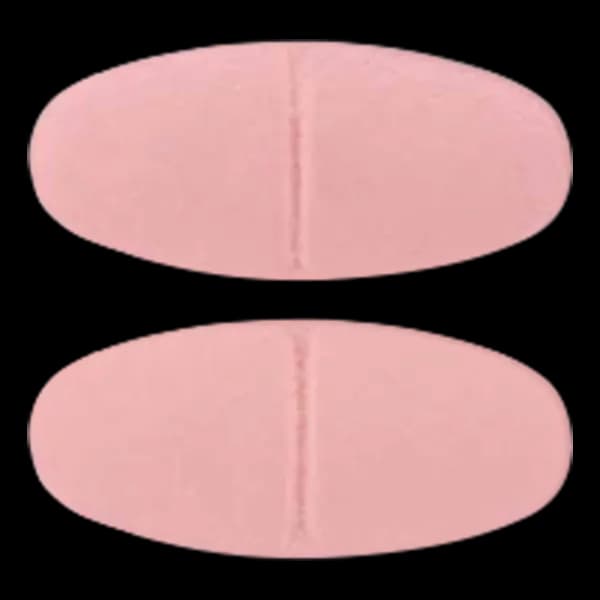
Showing the 10mg-12.5mg medicine. Other strengths look different — the picture changes with the strength you select.
Pfizer Accuretic
Active ingredient: Quinapril Hydrochloride-Hydrochlorothiazide
$27.00
In stock (100 available)
A prescription is required
You can add this to your basket, but we cannot dispense it until you upload a valid prescription at checkout and our registered pharmacist approves it. Your card is authorized but not charged until then.
About this medicine
Boxed warning
WARNING: FETAL TOXICITY When pregnancy is detected, discontinue quinapril and hydrochlorothiazide as soon as possible. Drugs that act directly on the renin-angiotensin system can cause injury and death to the developing fetus. See WARNINGS: Fetal Toxicity
What it is used for
INDICATIONS AND USAGE Hypertension Quinapril and hydrochlorothiazide tablets are indicated for the treatment of hypertension, to lower blood pressure. Lowering blood pressure reduces the risk of fatal and nonfatal cardiovascular events, primarily strokes and myocardial infarctions. These benefits have been seen in controlled trials of antihypertensive drugs from a wide variety of pharmacologic classes including the class to which this drug principally belongs. There are no controlled trials demonstrating risk reduction with quinapril and hydrochlorothiazide tablets. Control of high blood pressure should be part of comprehensive cardiovascular risk management, including, as appropriate, lipid control, diabetes management, antithrombotic therapy, smoking cessation, exercise, and limited sodium intake. Many patients will require more than one drug to achieve blood pressure goals. For specific advice on goals and management, see published guidelines, such as those of the National High Blood Pressure Education Program’s Joint National Committee on Prevention, Detection, Evaluation, and Treatment of High Blood Pressure (JNC). Numerous antihypertensive drugs, from a variety of pharmacolog
How it is taken
DOSAGE AND ADMINISTRATION As individual monotherapy, quinapril is an effective treatment of hypertension in once-daily doses of 10 mg to 80 mg and hydrochlorothiazide is effective in doses of 12.5 mg to 50 mg. In clinical trials of quinapril/hydrochlorothiazide combination therapy using quinapril doses of 2.5 mg to 40 mg and hydrochlorothiazide doses of 6.25 mg to 25 mg, the antihypertensive effects increased with increasing dose of either component. The side effects (see WARNINGS ) of quinapril are generally rare and apparently independent of dose; those of hydrochlorothiazide are a mixture of dose-dependent phenomena (primarily hypokalemia) and dose-independent phenomena (e.g., pancreatitis), the former much more common than the latter. Therapy with any combination of quinapril and hydrochlorothiazide will be associated with both sets of dose-independent side effects, but regimens that combine low doses of hydrochlorothiazide with quinapril produce minimal effects on serum potassium. In clinical trials of quinapril and hydrochlorothiazide tablets, the average change in serum potassium was near zero in subjects who received HCTZ 6.25 mg in the combination, and the average subject
Warnings
WARNINGS Anaphylactoid and Possibly Related Reactions Presumably because angiotensin converting inhibitors affect the metabolism of eicosanoids and polypeptides, including endogenous bradykinin, patients receiving ACE inhibitors (including quinapril) may be subject to a variety of adverse reactions, some of them serious. Head and Neck Angioedema Angioedema of the face, extremities, lips, tongue, glottis, and larynx has been reported in patients treated with ACE inhibitors and has been seen in 0.1% of patients receiving quinapril. In two similarly sized US postmarketing quinapril trials that, combined, enrolled over 3,000 black patients and over 19,000 non-blacks, angioedema was reported in 0.3% and 0.55% of blacks (in Study 1 and 2, respectively) and 0.39% and 0.17% of non-blacks. Angioedema associated with laryngeal edema can be fatal. If laryngeal stridor or angioedema of the face, tongue, or glottis occurs, treatment with quinapril and hydrochlorothiazide should be discontinued immediately, the patient treated in accordance with accepted medical care, and carefully observed until the swelling disappears. In instances where swelling is confined to the face and lips, the condition
Source: openFDA / DailyMed. Provided for information only — always follow the directions given by your own prescriber.