
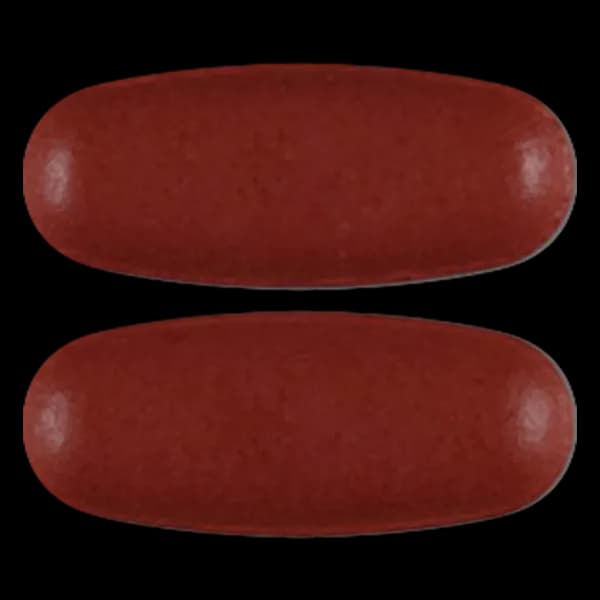
Showing the 160mg-12.5mg medicine. Other strengths look different — the picture changes with the strength you select.
Novartis Diovan HCT
Active ingredient: Valsartan-Hydrochlorothiazide
$24.00
In stock (100 available)
A prescription is required
You can add this to your basket, but we cannot dispense it until you upload a valid prescription at checkout and our registered pharmacist approves it. Your card is authorized but not charged until then.
About this medicine
Boxed warning
WARNING: FETAL TOXICITY • When pregnancy is detected, discontinue amlodipine/valsartan/hydrochlorothiazide as soon as possible (5.1). • Drugs that act directly on the renin-angiotensin system can cause injury and death to the developing fetus (5.1). WARNING: FETAL TOXICITY See full prescribing information for complete boxed warning. • When pregnancy is detected, discontinue amlodipine/valsartan/hydrochlorothiazide as soon as possible. (5.1) • Drugs that act directly on the renin-angiotensin system can cause injury and death to the developing fetus. (5.1)
What it is used for
1 INDICATIONS AND USAGE Amlodipine/valsartan/hydrochlorothiazide is indicated for the treatment of hypertension, to lower blood pressure. Lowering blood pressure reduces the risk of fatal and nonfatal cardiovascular events, primarily strokes and myocardial infarctions. These benefits have been seen in controlled trials of antihypertensive drugs from a wide variety of pharmacologic classes, including amlodipine, hydrochlorothiazide, and the ARB class to which valsartan principally belongs. There are no controlled trials demonstrating risk reduction with amlodipine/valsartan/hydrochlorothiazide. Control of high blood pressure should be part of comprehensive cardiovascular risk management, including, as appropriate, lipid control, diabetes management, antithrombotic therapy, smoking cessation, exercise, and limited sodium intake. Many patients will require more than 1 drug to achieve blood pressure goals. For specific advice on goals and management, see published guidelines, such as those of the National High Blood Pressure Education Program's Joint National Committee on Prevention, Detection, Evaluation, and Treatment of High Blood Pressure (JNC). Numerous antihypertensive drugs, fro
How it is taken
2 DOSAGE AND ADMINISTRATION Dose once-daily. Titrate up to a maximum dose of 10/320/25 mg. (2.1) Amlodipine/valsartan/hydrochlorothiazide may be used as add-on/switch therapy for patients not adequately controlled on any two of the following antihypertensive classes: calcium channel blockers, angiotensin receptor blockers, and diuretics. (2.2) Amlodipine/valsartan/hydrochlorothiazide may be substituted for its individually titrated components. (2.3) 2.1 General Considerations Dose once-daily. The dosage may be increased after 2 weeks of therapy. The full blood pressure lowering effect was achieved 2 weeks after being on the maximal dose of amlodipine/valsartan/hydrochlorothiazide. The maximum recommended dose of amlodipine/valsartan/hydrochlorothiazide is 10/320/25 mg. 2.2 Add-on/Switch Therapy Amlodipine/valsartan/hydrochlorothiazide may be used for patients not adequately controlled on any 2 of the following antihypertensive classes: calcium channel blockers, angiotensin receptor blockers, and diuretics. A patient who experiences dose-limiting adverse reactions to an individual component while on any dual combination of the components of amlodipine/valsartan/hydrochlorothiazide m
Warnings
5 WARNINGS AND PRECAUTIONS Hypotension: Correct volume depletion prior to initiation (5.2) Increased angina and/or myocardial infarction (5.3) Monitor renal function and potassium in susceptible patients (5.4, 5.5) Exacerbation or activation of systemic lupus erythematosus (5.7) Observe for signs of fluid or electrolyte imbalance (5.9) Acute angle-closure glaucoma (5.10) 5.1 Fetal Toxicity Valsartan Amlodipine/valsartan/hydrochlorothiazide can cause fetal harm when administered to a pregnant woman. Use of drugs that act on the renin-angiotensin system during the second and third trimesters of pregnancy reduces fetal renal function and increases fetal and neonatal morbidity and death. Resulting oligohydramnios can be associated with fetal lung hypoplasia and skeletal deformations. Potential neonatal adverse effects include skull hypoplasia, anuria, hypotension, renal failure, and death. When pregnancy is detected, discontinue Amlodipine/valsartan/hydrochlorothiazide as soon as possible [see Use in Specific Populations (8.1)]. Hydrochlorothiazide Thiazides cross the placenta, and use of thiazides during pregnancy is associated with fetal or neonatal jaundice, thrombocytopenia, and po
Source: openFDA / DailyMed. Provided for information only — always follow the directions given by your own prescriber.