
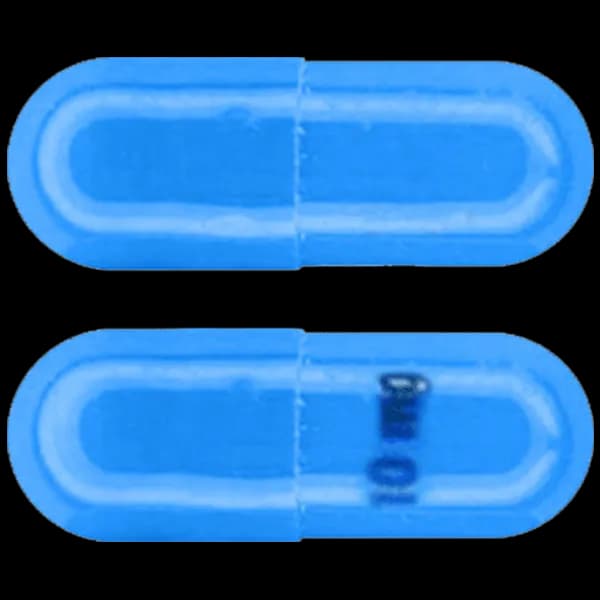
Showing the 10mg medicine. Other strengths look different — the picture changes with the strength you select.
Monarch Pharma Altace
Active ingredient: Ramipril
$22.50
In stock (100 available)
A prescription is required
You can add this to your basket, but we cannot dispense it until you upload a valid prescription at checkout and our registered pharmacist approves it. Your card is authorized but not charged until then.
About this medicine
Boxed warning
WARNING: FETAL TOXICITY See full prescribing information for complete boxed warning • When pregnancy is detected, discontinue ramipril as soon as possible ( 5.6 ). • Drugs that act directly on the renin-angiotensin system can cause injury and death to the developing fetus ( 5.6 ). WARNING: FETAL TOXICITY • When pregnancy is detected, discontinue ramipril as soon as possible ( 5.6 ). • Drugs that act directly on the renin-angiotensin system can cause injury and death to the developing fetus ( 5.6 ).
What it is used for
1. INDICATIONS AND USAGE • Ramipril capsules USP are indicated for the treatment of hypertension. It may be used alone or in combination with thiazide diuretics. ( 1.1 ). • Ramipril capsules USP are indicated in stable patients who have demonstrated clinical signs of congestive heart failure post-myocardial infarction ( 1.3 ). 1.1 Hypertension Ramipril capsules USP are indicated for the treatment of hypertension. It may be used alone or in combination with thiazide diuretics. 1.3 Heart Failure Post-Myocardial Infarction Ramipril capsules USP are indicated in stable patients who have demonstrated clinical signs of congestive heart failure within the first few days after sustaining acute myocardial infarction. Administration of ramipril to such patients has been shown to decrease the risk of death (principally cardiovascular death) and to decrease the risks of failure-related hospitalization and progression to severe/resistant heart failure [see CLINICAL STUDIES ( 14.3 ) ].
How it is taken
2. DOSAGE AND ADMINISTRATION • Hypertension: Initial dose is 2.5 mg to 20 mg once daily. Adjust dosage according to blood pressure response after 2–4 weeks of treatment. The usual maintenance dose following titration is 2.5 mg to 20 mg daily as a single dose or equally divided doses ( 2.1 ). • Heart failure post-myocardial infarction: Starting dose of 2.5 mg twice daily. If patient becomes hypotensive at this dose, decrease dosage to 1.25 mg twice daily. Increase dose as tolerated toward a target dose of 5 mg twice daily, with dosage increases about 3 weeks apart ( 2.3 ). • Dosage adjustment: See respective sections pertaining to dosage adjustment in special situations ( 2.5 ). 2.1 Hypertension The recommended initial dose for patients not receiving a diuretic is 2.5 mg once a day. Adjust dose according to blood pressure response. The usual maintenance dosage range is 2.5 mg to 20 mg per day administered as a single dose or in two equally divided doses. In some patients treated once daily, the antihypertensive effect may diminish toward the end of the dosing interval. In such patients, consider an increase in dosage or twice daily administration. If blood pressure is not controlled
Warnings
5. WARNINGS AND PRECAUTIONS ACE inhibitor use has been associated with the following: • Angioedema, with increased risk in patients with a prior history ( 5.1 ) • Hypotension and hyperkalemia ( 5.5 , 5.8 ) • Renal impairment: monitor renal function during therapy ( 5.3 ) • Increased risk of renal impairment when combined with another blocker of the renin-angiotensin-aldosterone system ( 5.7 ) • Rare cholestatic jaundice and hepatic failure ( 5.2 ) • Rare neutropenia and agranulocytosis ( 5.4 ) 5.1 Anaphylactoid and Possibly Related Reactions Presumably because drugs that act directly on the renin-angiotensin-aldosterone system (e.g., ACE inhibitors) affect the metabolism of eicosanoids and polypeptides, including endogenous bradykinin, patients receiving these drugs (including ramipril) may be subject to a variety of adverse reactions, some of them serious. Angioedema Head and Neck Angioedema: Patients with a history of angioedema unrelated to ACE inhibitor therapy may be at increased risk of angioedema while receiving an ACE inhibitor. Angioedema of the face, extremities, lips, tongue, glottis, and larynx has been reported in patients treated with ACE inhibitors. Angioedema associ
Source: openFDA / DailyMed. Provided for information only — always follow the directions given by your own prescriber.