
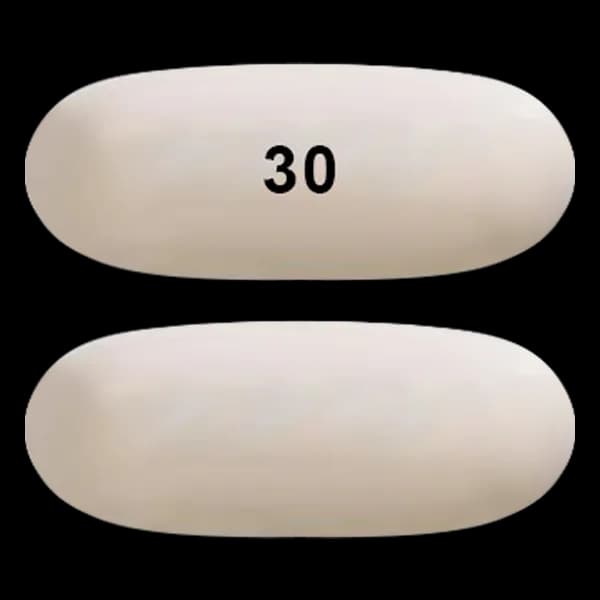
Generic Nimotop
Active ingredient: Nimodipine
$27.00
In stock (100 available)
A prescription is required
You can add this to your basket, but we cannot dispense it until you upload a valid prescription at checkout and our registered pharmacist approves it. Your card is authorized but not charged until then.
About this medicine
Boxed warning
DO NOT ADMINISTER NIMODIPINE INTRAVENOUSLY OR BY OTHER PARENTERAL ROUTES. DEATHS AND SERIOUS, LIFE THREATENING ADVERSE EVENTS HAVE OCCURRED WHEN THE CONTENTS OF NIMODIPINE CAPSULES HAVE BEEN INJECTED PARENTERALLY (See WARNINGS and DOSAGE AND ADMINISTRATION ).
What it is used for
INDICATIONS AND USAGE Nimodipine is indicated for the improvement of neurological outcome by reducing the incidence and severity of ischemic deficits in patients with subarachnoid hemorrhage from ruptured intracranial berry aneurysms regardless of their post-ictus neurological condition (i.e., Hunt and Hess Grades I to V).
How it is taken
DOSAGE AND ADMINISTRATION DO NOT ADMINISTER NIMODIPINE CAPSULES INTRAVENOUSLY OR BY OTHER PARENTERAL ROUTES (see WARNINGS ). If nimodipine is inadvertently administered intravenously, clinically significant hypotension may require cardiovascular support with pressor agents. Specific treatments for calcium channel blocker overdose should also be given promptly. Nimodipine is given orally in the form of soft gelatin 30 mg capsules for subarachnoid hemorrhage. The recommended oral dose is 60 mg (two 30 mg capsules) every 4 hours for 21 consecutive days. In general, the capsules should be swallowed whole with a little liquid, preferably not less than one hour before or two hours after meals. Grapefruit juice is to be avoided (see PRECAUTIONS, Drug Interactions ). Oral nimodipine therapy should commence as soon as possible within 96 hours of the onset of subarachnoid hemorrhage. If the capsule cannot be swallowed, e.g., at the time of surgery, or if the patient is unconscious, a hole should be made in both ends of the capsule with an 18 gauge needle, and the contents of the capsule extracted into a syringe. A parenteral syringe can be used to extract the liquid inside the capsule, but t
Warnings
WARNINGS DEATH DUE TO INADVERTENT INTRAVENOUS ADMINISTRATION: DO NOT ADMINISTER NIMODIPINE INTRAVENOUSLY OR BY OTHER PARENTERAL ROUTES. DEATHS AND SERIOUS, LIFE THREATENING ADVERSE EVENTS, INCLUDING CARDIAC ARREST, CARDIOVASCULAR COLLAPSE, HYPOTENSION, AND BRADYCARDIA, HAVE OCCURRED WHEN THE CONTENTS OF NIMODIPINE CAPSULES HAVE BEEN INJECTED PARENTERALLY (SEE DOSAGE AND ADMINISTRATION ). Reduced Efficacy with CYP3A4 Inducers: Concomitant use of strong CYP3A4 inducers (e.g. rifampin, phenobarbital, phenytoin, carbamazepine, St John's wort) and nimodipine should generally be avoided, as nimodipine plasma concentration and efficacy may be very significantly reduced (see PRECAUTIONS, Drug Interactions ). Moderate and weak inducers of CYP3A4 may also reduce the efficacy of nimodipine to a lesser extent. Patients on these should be closely monitored for lack of effectiveness, and a nimodipine dosage increase may be required. Moderate and weak CYP3A4 inhibitors include, for example: amprenavir, aprepitant, armodafinil, bosentan, efavirenz, etravirine, echinacea, modafinil, nafcillin, pioglitazone, prednisone and rufinamide.
Source: openFDA / DailyMed. Provided for information only — always follow the directions given by your own prescriber.