
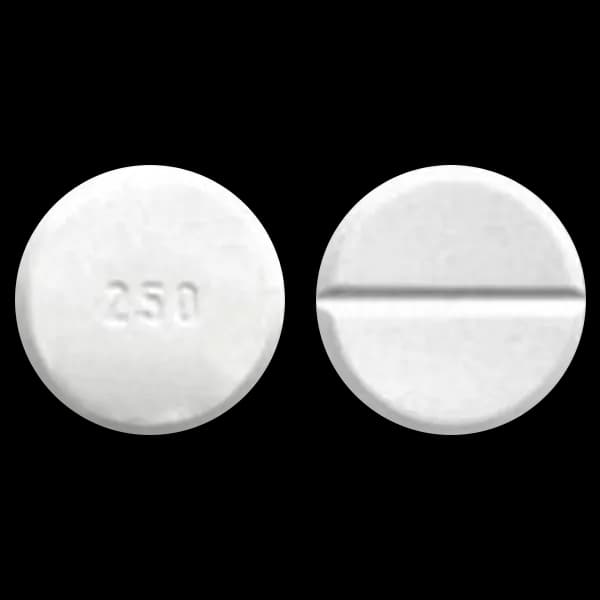
Generic Lariam
Active ingredient: Mefloquine Hydrochloride
$184.80
In stock (100 available)
A prescription is required
You can add this to your basket, but we cannot dispense it until you upload a valid prescription at checkout and our registered pharmacist approves it. Your card is authorized but not charged until then.
About this medicine
Boxed warning
WARNING Mefloquine may cause neuropsychiatric adverse reactions that can persist after mefloquine has been discontinued. Mefloquine should not be prescribed for prophylaxis in patients with major psychiatric disorders. During prophylactic use, if psychiatric or neurologic symptoms occur, the drug should be discontinued and an alternative medication should be substituted (see WARNINGS ).
What it is used for
INDICATIONS AND USAGE Treatment of Acute Malaria Infections Mefloquine hydrochloride tablets are indicated for the treatment of mild to moderate acute malaria caused by mefloquine-susceptible strains of P. falciparum (both chloroquine-susceptible and resistant strains) or by Plasmodium vivax. There are insufficient clinical data to document the effect of mefloquine in malaria caused by P. ovale or P. malariae. Note: Patients with acute P. vivax malaria, treated with mefloquine, are at high risk of relapse because mefloquine does not eliminate exoerythrocytic (hepatic phase) parasites. To avoid relapse, after initial treatment of the acute infection with mefloquine, patients should subsequently be treated with an 8-aminoquinoline derivative (e.g., primaquine). Prevention of Malaria Mefloquine hydrochloride tablets are indicated for the prophylaxis of P. falciparum and P. vivax malaria infections, including prophylaxis of chloroquine-resistant strains of P. falciparum.
How it is taken
DOSAGE AND ADMINISTRATION Malaria Treatment in Adults Treatment of mild to moderate malaria in adults caused by mefloquine-susceptible strains of P. falciparum or by P. vivax: Dosage: Five tablets (1250 mg) mefloquine hydrochloride to be given as a single oral dose. The drug should not be taken on an empty stomach and should be administered with at least 8 oz (240 mL) of water. If a full-treatment course with mefloquine does not lead to improvement within 48 to 72 hours, mefloquine should not be used for retreatment. An alternative therapy should be used. Similarly, if previous prophylaxis with mefloquine failed, mefloquine should not be used for curative treatment (see INDICATIONS AND USAGE ). Note: Patients with acute P. vivax malaria, treated with mefloquine, are at high risk of relapse because mefloquine does not eliminate exoerythrocytic (hepatic phase) parasites. To avoid relapse after initial treatment of the acute infection with mefloquine, patients should subsequently be treated with an 8-aminoquinoline derivative (e.g., primaquine). Malaria Prophylaxis in Adults Dosage: One 250 mg mefloquine hydrochloride tablet once weekly. Prophylactic drug administration should begin 1
Warnings
WARNINGS In case of life-threatening, serious or overwhelming malaria infections due to P. falciparum, patients should be treated with an intravenous antimalarial drug. Following completion of intravenous treatment, mefloquine may be given to complete the course of therapy. QTc Interval Prolongation and Drug Interactions Halofantrine should not be administered with mefloquine or within 15 weeks of the last dose of mefloquine due to the risk of a potentially fatal prolongation of the QTc interval (see CLINICAL PHARMACOLOGY, Pharmacokinetics, Elimination ). Ketoconazole should not be administered with mefloquine or within 15 weeks of the last dose of mefloquine due to the risk of a potentially fatal prolongation of the QTc interval. Ketoconazole increases plasma concentrations and elimination half-life of mefloquine following coadministration (see CLINICAL PHARMACOLOGY, Pharmacokinetics, Elimination and PRECAUTIONS, Drug Interactions ). Concomitant administration of mefloquine and quinine or quinidine may produce electrocardiographic abnormalities. Psychiatric and Neurologic Adverse Reactions Mefloquine may cause neuropsychiatric adverse reactions in adults and children. Neuropsychia
Source: openFDA / DailyMed. Provided for information only — always follow the directions given by your own prescriber.