
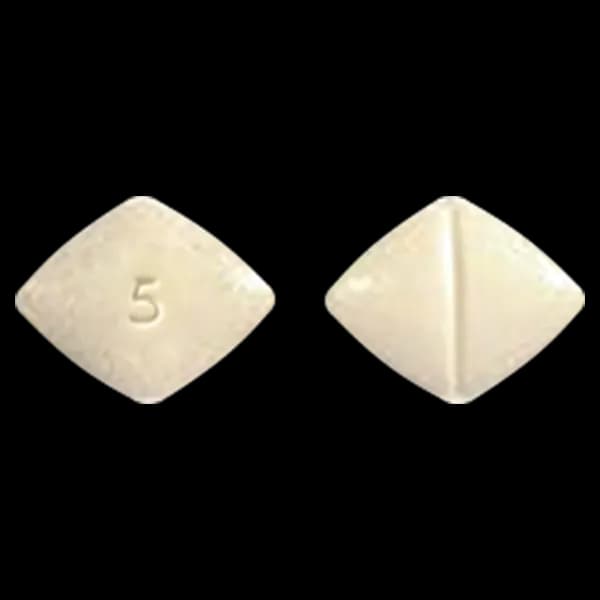
Generic Glucotrol
Active ingredient: Glipizide
$20.70
In stock (100 available)
A prescription is required
You can add this to your basket, but we cannot dispense it until you upload a valid prescription at checkout and our registered pharmacist approves it. Your card is authorized but not charged until then.
About this medicine
What it is used for
INDICATIONS AND USAGE Glipizide Tablets USP are indicated as an adjunct to diet and exercise to improve glycemic control in adults with type 2 diabetes mellitus.
How it is taken
DOSAGE AND ADMINISTRATION There is no fixed dosage regimen for the management of diabetes mellitus with glipizide or any other hypoglycemic agent. In addition to the usual monitoring of urinary glucose, the patient’s blood glucose must also be monitored periodically to determine the minimum effective dose for the patient; to detect primary failure, i.e., inadequate lowering of blood glucose at the maximum recommended dose of medication; and to detect secondary failure, i.e., loss of an adequate blood-glucose-lowering response after an initial period of effectiveness. Glycosylated hemoglobin levels may also be of value in monitoring the patient’s response to therapy. Short-term administration of glipizide may be sufficient during periods of transient loss of control in patients usually controlled well on diet. In general, glipizide should be given approximately 30 minutes before a meal to achieve the greatest reduction in postprandial hyperglycemia. Initial Dose The recommended starting dose is 5 mg, given before breakfast. Geriatric patients or those with liver disease may be started on 2.5 mg. Titration Dosage adjustments should ordinarily be in increments of 2.5 to 5 mg, as deter
Warnings
WARNINGS SPECIAL WARNING ON INCREASED RISK OF CARDIOVASCULAR MORTALITY The administration of oral hypoglycemic drugs has been reported to be associated with increased cardiovascular mortality as compared to treatment with diet alone or diet plus insulin. This warning is based on the study conducted by the University Group Diabetes Program (UGDP), a long-term prospective clinical trial designed to evaluate the effectiveness of glucose-lowering drugs in preventing or delaying vascular complications in patients with non-insulin-dependent diabetes. The study involved 823 patients who were randomly assigned to one of four treatment groups ( Diabetes , 19, supp. 2:747-830, 1970). UGDP reported that patients treated for 5 to 8 years with diet plus a fixed dose of tolbutamide (1.5 grams per day) had a rate of cardiovascular mortality approximately 2½ times that of patients treated with diet alone. A significant increase in total mortality was not observed, but the use of tolbutamide was discontinued based on the increase in cardiovascular mortality, thus limiting the opportunity for the study to show an increase in overall mortality. Despite controversy regarding the interpretation of thes
Source: openFDA / DailyMed. Provided for information only — always follow the directions given by your own prescriber.