
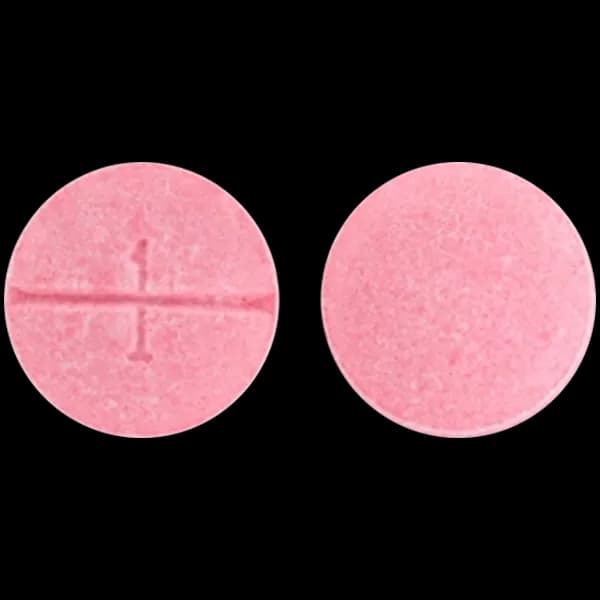
Showing the 1mg medicine. Other strengths look different — the picture changes with the strength you select.
Generic Coumadin
Active ingredient: Warfarin
$20.70
In stock (100 available)
This medicine needs close supervision
You can add this to your basket, but we cannot dispense it until you upload a valid prescription at checkout and our registered pharmacist approves it. Because this medicine requires ongoing monitoring, our pharmacist will also confirm counselling before it is released. Your card is authorized but not charged until then.
About this medicine
Boxed warning
WARNING: BLEEDING RISK Warfarin sodium can cause major or fatal bleeding [see Warnings and Precautions ( 5.1 )] . Perform regular monitoring of INR in all treated patients [see Dosage and Administration ( 2.1 )] . Drugs, dietary changes, and other factors affect INR levels achieved with warfarin sodium therapy [see Drug Interactions ( 7 )] . Instruct patients about prevention measures to minimize risk of bleeding and to report signs and symptoms of bleeding [see Patient Counseling Information ( 17 )] . WARNING: BLEEDING RISK See full prescribing information for complete boxed warning. Warfarin
What it is used for
1 INDICATIONS AND USAGE Warfarin sodium tablets are indicated for: Prophylaxis and treatment of venous thrombosis and its extension, pulmonary embolism (PE). Prophylaxis and treatment of thromboembolic complications associated with atrial fibrillation (AF) and/or cardiac valve replacement. Reduction in the risk of death, recurrent myocardial infarction (MI), and thromboembolic events such as stroke or systemic embolization after myocardial infarction. Limitations of Use Warfarin sodium tablets have no direct effect on an established thrombus, nor does it reverse ischemic tissue damage. Once a thrombus has occurred, however, the goals of anticoagulant treatment are to prevent further extension of the formed clot and to prevent secondary thromboembolic complications that may result in serious and possibly fatal sequelae. Warfarin sodium tablets are a vitamin K antagonist indicated for: Prophylaxis and treatment of venous thrombosis and its extension, pulmonary embolism ( 1 ) Prophylaxis and treatment of thromboembolic complications associated with atrial fibrillation and/or cardiac valve replacement ( 1 ) Reduction in the risk of death, recurrent myocardial infarction, and thromboemb
How it is taken
2 DOSAGE AND ADMINISTRATION Individualize dosing regimen for each patient, and adjust based on INR response. ( 2.1 , 2.2 ) Knowledge of genotype can inform initial dose selection. ( 2.3 ) Monitoring: Obtain daily INR determinations upon initiation until stable in the therapeutic range. Obtain subsequent INR determinations every 1 to 4 weeks. ( 2.4 ) Review conversion instructions from other anticoagulants. ( 2.8 ) 2.1 Individualized Dosing The dosage and administration of warfarin sodium tablets must be individualized for each patient according to the patient’s International Normalized Ratio (INR) response to the drug. Adjust the dose based on the patient’s INR and the condition being treated. Consult the latest evidence-based clinical practice guidelines regarding the duration and intensity of anticoagulation for the indicated conditions. 2.2 Recommended Target INR Ranges and Durations for Individual Indications An INR of greater than 4 appears to provide no additional therapeutic benefit in most patients and is associated with a higher risk of bleeding. Venous Thromboembolism (including deep venous thrombosis [DVT] and PE) Adjust the warfarin dose to maintain a target INR of 2.5
Warnings
5 WARNINGS AND PRECAUTIONS Tissue necrosis: Necrosis or gangrene of skin or other tissues can occur, with severe cases requiring debridement or amputation. Discontinue warfarin sodium and consider alternative anticoagulants if necessary. ( 5.2 ) Calciphylaxis: Fatal and serious cases have occurred. Discontinue warfarin sodium and consider alternative anticoagulation therapy. ( 5.3 ) Acute kidney injury may occur during episodes of excessive anticoagulation and hematuria. ( 5.4 ) Systemic atheroemboli and cholesterol microemboli: Some cases have progressed to necrosis or death. Discontinue warfarin sodium if such emboli occur. ( 5.5 ) Heparin-induced thrombocytopenia (HIT): Initial therapy with warfarin sodium in HIT has resulted in cases of amputation and death. Warfarin sodium may be considered after platelet count has normalized. ( 5.6 ) Pregnant women with mechanical heart valves: Warfarin sodium may cause fetal harm; however, the benefits may outweigh the risks. ( 5.7 ) 5.1 Hemorrhage Warfarin sodium can cause major or fatal bleeding. Bleeding is more likely to occur within the first month. Risk factors for bleeding include high intensity of anticoagulation (INR > 4), age great
Source: openFDA / DailyMed. Provided for information only — always follow the directions given by your own prescriber.