
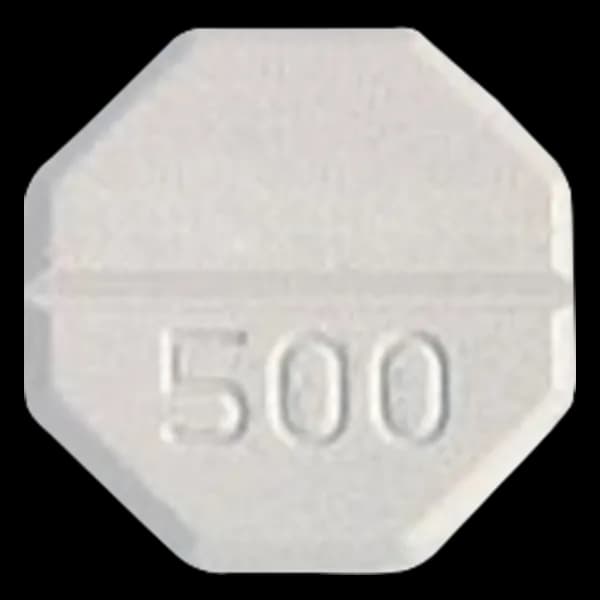
Generic Antabuse
Active ingredient: Disulfiram
$31.92
In stock (100 available)
A prescription is required
You can add this to your basket, but we cannot dispense it until you upload a valid prescription at checkout and our registered pharmacist approves it. Your card is authorized but not charged until then.
About this medicine
What it is used for
INDICATIONS AND USAGE Disulfiram is an aid in the management of selected chronic alcohol patients who want to remain in a state of enforced sobriety so that supportive and psychotherapeutic treatment may be applied to best advantage. Disulfiram is not a cure for alcoholism. When used alone, without proper motivation and supportive therapy, it is unlikely that it will have any substantive effect on the drinking pattern of the chronic alcoholic.
How it is taken
DOSAGE AND ADMINISTRATION Disulfiram should never be administered until the patient has abstained from alcohol for at least 12 hours. Initial Dosage Schedule In the first phase of treatment, a maximum of 500 mg daily is given in a single dose for one to two weeks. Although usually taken in the morning, disulfiram may be taken on retiring by patients who experience a sedative effect. Alternatively, to minimize, or eliminate, the sedative effect, dosage may be adjusted downward. Maintenance Regimen The average maintenance dose is 250 mg daily (range, 125 to 500 mg), it should not exceed 500 mg daily. Note : Occasionally patients, while seemingly on adequate maintenance doses of disulfiram, report that they are able to drink alcoholic beverages with impunity and without any symptomatology. All appearances to the contrary, such patients must be presumed to be disposing of their tablets in some manner without actually taking them. Until such patients have been observed reliably taking their daily disulfiram tablets (preferably crushed and well mixed with liquid), it cannot be concluded that disulfiram is ineffective. Duration of Therapy The daily, uninterrupted administration of disulfi
Warnings
WARNINGS Disulfiram should never be administered to a patient when he is in a state of alcohol intoxication, or without his full knowledge. The physician should instruct relatives accordingly. The patient must be fully informed of the disulfiram-alcohol reaction. He must be strongly cautioned against surreptitious drinking while taking the drug, and he must be fully aware of the possible consequences. He should be warned to avoid alcohol in disguised forms, i.e., in sauces, vinegars, cough mixtures, and even in aftershave lotions and back rubs. He should also be warned that reactions may occur with alcohol up to 14 days after ingesting disulfiram. The Disulfiram-Alcohol Reaction Disulfiram plus alcohol, even small amounts, produce flushing, throbbing in head and neck, throbbing headache, respiratory difficulty, nausea, copious vomiting, sweating, thirst, chest pain, palpitation, dyspnea, hyperventilation, tachycardia, hypotension, syncope, marked uneasiness, weakness, vertigo, blurred vision, and confusion. In severe reactions there may be respiratory depression, cardiovascular collapse, arrhythmias, myocardial infarction, acute congestive heart failure, unconsciousness, convulsion
Source: openFDA / DailyMed. Provided for information only — always follow the directions given by your own prescriber.