
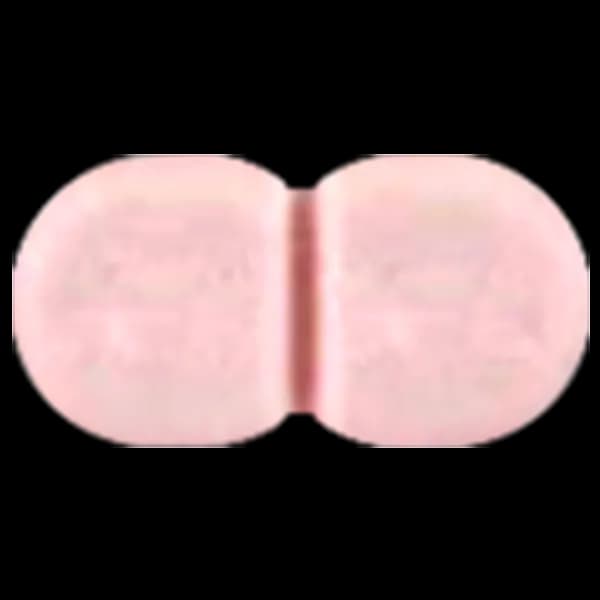
Generic Amaryl
Active ingredient: Glimepiride
$20.70
In stock (100 available)
A prescription is required
You can add this to your basket, but we cannot dispense it until you upload a valid prescription at checkout and our registered pharmacist approves it. Your card is authorized but not charged until then.
About this medicine
What it is used for
1 INDICATIONS AND USAGE Glimepiride tablets are indicated as an adjunct to diet and exercise to improve glycemic control in adults with type 2 diabetes mellitus [see Clinical Studies (14.1) ]. Limitations of Use Glimepiride tablets should not be used for the treatment of type 1 diabetes mellitus or diabetic ketoacidosis, as it would not be effective in these settings. Glimepiride tablets are a sulfonylurea indicated as an adjunct to diet and exercise to improve glycemic control in adults with type 2 diabetes mellitus ( 1 ). Limitations of Use: Not for treating type 1 diabetes mellitus or diabetic ketoacidosis ( 1 ).
How it is taken
2 DOSAGE AND ADMINISTRATION Recommended starting dose is 1 or 2 mg once daily. Increase in 1 or 2 mg increments no more frequently than every 1 to 2 weeks based on glycemic response. Maximum recommended dose is 8 mg once daily ( 2.1 ). Administer with breakfast or first meal of the day ( 2.1 ). Use 1 mg starting dose and titrate slowly in patients at increased risk for hypoglycemia (e.g., elderly, patients with renal impairment) ( 2.1 ). 2.1 Recommended Dosing Glimepiride tablets should be administered with breakfast or the first main meal of the day. The recommended starting dose of glimepiride tablets are 1 mg or 2 mg once daily. Patients at increased risk for hypoglycemia (e.g., the elderly or patients with renal impairment) should be started on 1 mg once daily [see Warnings and Precautions (5.1) and Use in Specific Populations (8.5 , 8.6) ]. After reaching a daily dose of 2 mg, further dose increases can be made in increments of 1 mg or 2 mg based upon the patient’s glycemic response. Uptitration should not occur more frequently than every 1 to 2 weeks. A conservative titration scheme is recommended for patients at increased risk for hypoglycemia [see Warnings and Precautions (
Warnings
5 WARNINGS AND PRECAUTIONS Hypoglycemia: May be severe. Ensure proper patient selection, dosing, and instructions, particularly in at-risk populations (e.g., elderly, renally impaired) and when used with other anti-diabetic medications ( 5.1 ). Hypersensitivity Reactions: Postmarketing reports include anaphylaxis, angioedema and Stevens-Johnson Syndrome. If a reaction is suspected, promptly discontinue glimepiride, assess for other potential causes for the reaction, and institute alternative treatment for diabetes ( 5.2 ). Hemolytic Anemia: Can occur if glucose 6-phosphate dehydrogenase (G6PD) deficient. Consider a non-sulfonylurea alternative. ( 5.3 ). Potential Increased Risk of Cardiovascular Mortality with Sulfonylureas: Inform patient of risks, benefits and treatment alternatives ( 5.4 ). Macrovascular Outcomes: No clinical studies establishing conclusive evidence of macrovascular risk reduction with glimepiride or any other anti-diabetic drug ( 5.5 ). 5.1 Hypoglycemia All sulfonylureas, including glimepiride, can cause severe hypoglycemia [see Adverse Reactions (6.1) ]. The patient's ability to concentrate and react may be impaired as a result of hypoglycemia. These impairmen
Source: openFDA / DailyMed. Provided for information only — always follow the directions given by your own prescriber.