
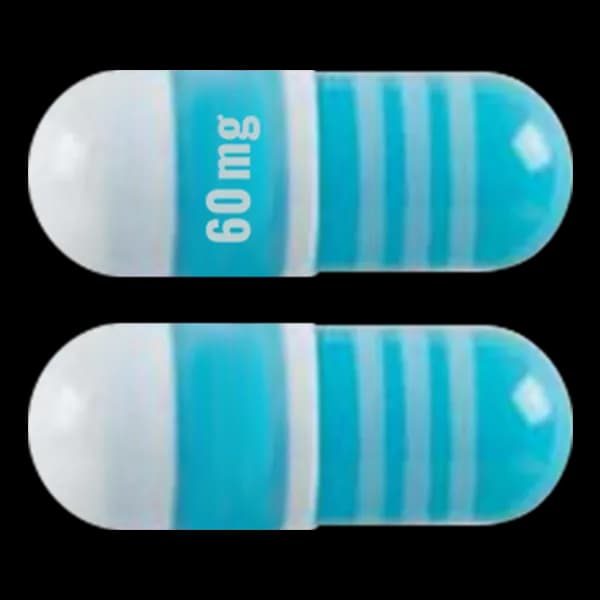
Showing the 60mg medicine. Other strengths look different — the picture changes with the strength you select.
Ani Inderal LA
Active ingredient: Propranolol Hydrochloride
$28.80
In stock (100 available)
A prescription is required
You can add this to your basket, but we cannot dispense it until you upload a valid prescription at checkout and our registered pharmacist approves it. Your card is authorized but not charged until then.
About this medicine
What it is used for
INDICATIONS AND USAGE Hypertension Propranolol hydrochloride tablets are indicated in the management of hypertension. It may be used alone or used in combination with other antihypertensive agents, particularly a thiazide diuretic. Propranolol hydrochloride is not indicated in the management of hypertensive emergencies. Angina Pectoris Due to Coronary Atherosclerosis Propranolol hydrochloride tablets are indicated to decrease angina frequency and increase exercise tolerance in patients with angina pectoris. Atrial Fibrillation Propranolol hydrochloride tablets are indicated to control ventricular rate in patients with atrial fibrillation and a rapid ventricular response. Myocardial Infarction Propranolol is indicated to reduce cardiovascular mortality in patients who have survived the acute phase of myocardial infarction and are clinically stable. Migraine Propranolol is indicated for the prophylaxis of common migraine headache. The efficacy of propranolol in the treatment of a migraine attack that has started has not been established, and propranolol is not indicated for such use. Essential Tremor Propranolol is indicated in the management of familial or hereditary essential tremo
How it is taken
DOSAGE AND ADMINISTRATION General Because of the variable bioavailability of propranolol, the dose should be individualized based on response. Hypertension The usual initial dosage is 40 mg propranolol hydrochloride twice daily, whether used alone or added to a diuretic. Dosage may be increased gradually until adequate blood pressure control is achieved. The usual maintenance dosage is 120 mg/day to 240 mg per day. In some instances a dosage of 640 mg a day may be required. The time needed for full antihypertensive response to a given dosage is variable and may range from a few days to several weeks. While twice-daily dosing is effective and can maintain a reduction in blood pressure throughout the day, some patients, especially when lower doses are used, may experience a modest rise in blood pressure toward the end of the 12-hour dosing interval. This can be evaluated by measuring blood pressure near the end of the dosing interval to determine whether satisfactory control is being maintained throughout the day. If control is not adequate, a larger dose, or 3-times-daily therapy may achieve better control. Angina Pectoris Total daily doses of 80 mg to 320 mg propranolol hydrochlori
Warnings
WARNINGS Angina Pectoris There have been reports of exacerbation of angina and, in some cases, myocardial infarction, following abrupt discontinuance of propranolol therapy. Therefore, when discontinuance of propranolol is planned, the dosage should be gradually reduced over at least a few weeks and the patient should be cautioned against interruption or cessation of therapy without the physician’s advice. If propranolol therapy is interrupted and exacerbation of angina occurs, it usually is advisable to reinstitute propranolol therapy and take other measures appropriate for the management of angina pectoris. Since coronary artery disease may be unrecognized, it may be prudent to follow the above advice in patients considered at risk of having occult atherosclerotic heart disease who are given propranolol for other indications. Hypersensitivity and Skin Reactions Hypersensitivity reactions, including anaphylactic/anaphylactoid reactions, have been associated with the administration of propranolol (see ADVERSE REACTIONS ). Cutaneous reactions, including Stevens-Johnson Syndrome, toxic epidermal necrolysis, exfoliative dermatitis, erythema multiforme, and urticaria, have been reporte
Source: openFDA / DailyMed. Provided for information only — always follow the directions given by your own prescriber.